Welcome to Your Health Resource
This website provides health information specifically for refugee communities in Clarkston, Georgia. We focus on common illnesses, mental health support, nutrition guidance, and resources for accessing healthcare.
Quick Access:
Common Illnesses in Refugee Communities
Click on any illness to learn about symptoms, treatment, and prevention.
Common cold:
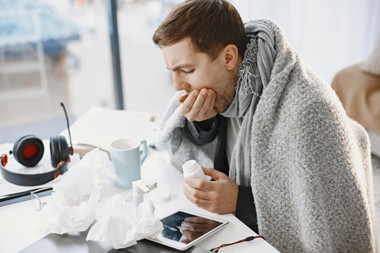
The common cold is a viral upper respiratory infection that is caused by over 200 different viruses and is spread through airborne droplets when an infected person coughs/sneezes. It typically lasts for about 7-10 days. It’s one of the most common illnesses in the world and can happen at any age.A cold is typically mild but it can still impact your sleep quality and concentration.
Symptoms include:
- Runny/stuffy nose
- Sore throat
- Coughing
- Sneezing
- Headache
- Low-grade fever
Solution: Treatment focuses on relieving symptoms through rest, drinking lots of water, and taking over-the-counter medications. Drinking warm soups can also help with throat irritation. Antibiotics will not help because they don’t treat viral infections.
Flu (Influenza):
Also known as influenza, the flu is a contagious respiratory illness caused by a virus that attacks the nose, throat, and lungs. The flu virus has several strains that change annually, which is why seasonal outbreaks happen every year. The flu spreads easily, especially in very crowded places like at school or work.
Symptoms include:
- Sudden fever
- Cough
- Sore throat
- Body aches
- Fatigue
- Headache
- Reduced appetite
Solution: Most people can recover on their own. There are antivirals that can also be used to reduce the duration of illness if given within the first 48 hours of symptoms. These are prescriptions and must be given by a physician. The flu can lead to severe complications or even death in some cases especially for elderly people, young children, and those with chronic medical conditions. The best way to prevent the flu is getting a yearly flu vaccine. There are many cheap/free health clinics in Clarkston which we’ve shared on the home page.
Hepatitis:
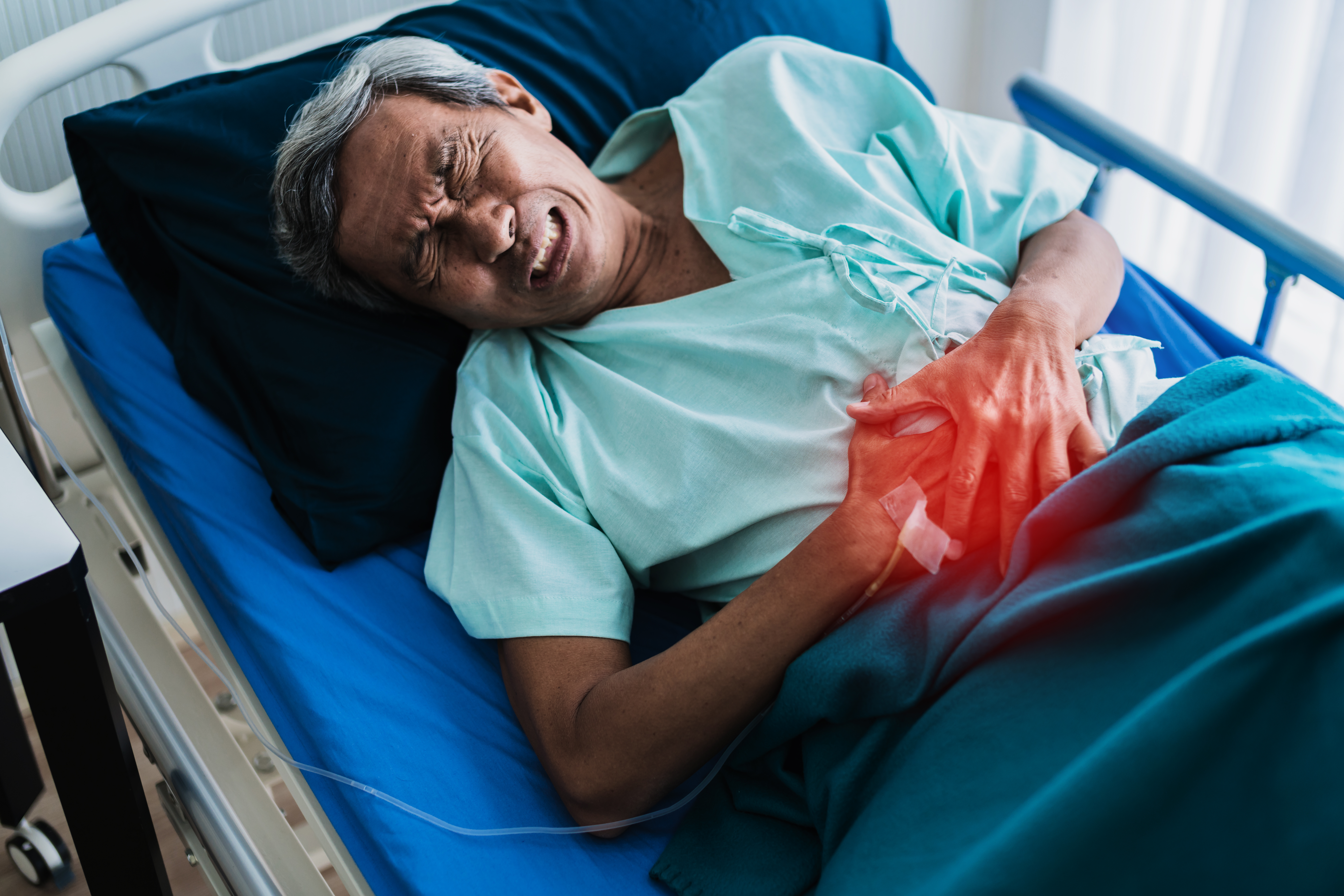
Hepatitis is an inflammation of the liver caused by viruses and there are 5 main types.
- Hepatitis A: spread through contaminated food or water
- Hepatitis B: spread through contact with infected bodily fluids
- Hepatitis C: spread through contact with infected blood
- Hepatitis D: only infects people who already have hepatitis B
- Hepatitis E: spreads through contaminated water
Hepatitis can range from very mild and short-term to severe and life-threatening. Chronic hepatitis can lead to long-term liver damage and in some cases liver failure if left untreated.
Symptoms include:
- Jaundice (yellowing of the skin or eyes)
- Fatigue
- Nausea
- Vomiting
- Abdominal pain
- Liver damage
- Cirrhosis
- Liver cancer (in severe cases)
Solution: The best way to fight disease is to prevent it all together through vaccines - currently there are Hepatitis A and Hepatitis B vaccines given during infancy and the newborn period. If you have an active infection, you can take antiviral medication. Drinking clean water and avoiding sharing food and personal items with friends also reduces the risk of transmitting certain forms of Hepatitis.
Malaria:
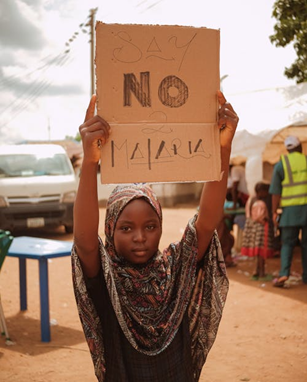
Malaria is a disease that is caused by mosquitoes. It is spread when an infected female mosquito bites a person and injects the parasites into their blood. It remains a major cause for illness and even death in a lot of developing countries. It’s common in tropical regions and without treatment, malaria can become life-threatening.
Symptoms include:
- Fever
- Chills
- Sweating
- Headache
- Muscle aches
- Fatigue
- Nausea and Vomiting
Solution: The malaria vaccine is designed to prevent the risk of malaria and control the spread.Unfortunately, the vaccine isn’t routinely given in the United States. In addition, using mosquito nets and insect repellent are early prevention methods.
Poliovirus:
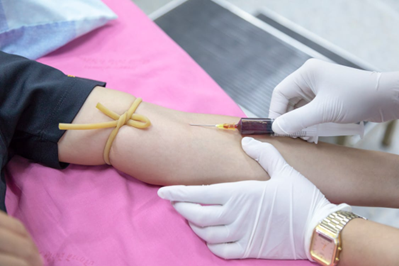
Poliovirus is a highly infectious disease which enters the body through the mouth and increases in the throat. It can spread by touching people and things that have been infected. Many people have no symptoms or very mild symptoms, and a small percentage of people develop a worse version of the condition called Abortive Polio. This happen in about 5% of those infected.
Symptoms of Abortive Polio include:
- Muscle weakness
- Deformities
- Loss of mobility
- Fever
- Sore Throat
- Vomiting/Nausea
Solution: Again, prevention is key! The IPV vaccine is a 4 part vaccine given to children starting infancy. This prevents illness.
Strep Throat:
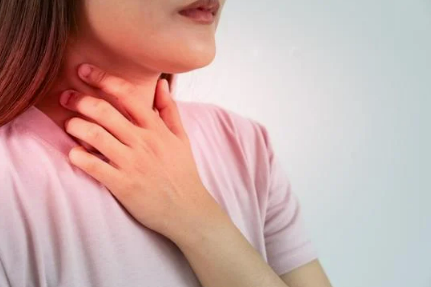
Strep Throat is a common bacterial infection that spreads through coughing, sneezing, or touching surfaces that have bacteria. It’s caused by Group A Streptococcus bacterium and is the most common in children but can really affect anyone. It spreads very quickly in crowded places like schools, public transportation, and work.
Symptoms Include:
- Fever
- Sore throat
- Headache
- Stomachache
- Pain when swallowing
- Reduced appetite
Solution: Strep throat is best treated with antibiotics that are prescribed by the doctor. Antibiotics reduce the period where you’re contagious and prevent other complications. Drinking warm liquids like soup or tea also help relieve pain in the throat.
Mental Health Support
PTSD:
PTSD stands for Post-traumatic Stress Syndrome. It results from exposure to trauma like wars, torture, and violence. PTSD can affect sleep, emotions, and memory. So many people are dealing with it because of ongoing stress and unstable or dangerous living conditions. These people are more vulnerable because their nervous system constantly stays on high alert.
Symptoms Include:
- Nightmares/flashbacks
- Trouble sleeping
- Feeling sad/depressed
- Loss of interest in daily activities
- Always tense
How to Overcome This:
- You can overcome this through community-based support which is inexpensive and effective. If you don’t have a supportive community there are many exercises or activities to do as well.
- You can do deep breathing exercises that calm nerves.
- Some activities that help include walking/hiking, stretching, yoga, or even spending time outside.
- Having a routine everyday can also help the brain feel safer and more stable.
- Writing your thoughts down in a journal or talking with someone you trust helps release all the emotional pressure.
Mental Health Illnesses:

Mental health refers to psychological and emotional well-being. It affects how people think and make everyday decisions. Many people who are struggling with mental health diseases, specifically anxiety, depression and PTSD, are living in unstable living conditions and have experienced trauma or have limited resources. These people may experience very high levels of stress, anxiety and sadness.
How to Know if You’re Struggling with Mental Health:
- Difficulty sleeping due to anxiety/stress
- Always feeling overwhelmed
- Constant feeling of isolation
- Struggling to concentrate
- Problems with sleep – sleeping too much or to little
- Loss of interest in activities that you found interesting before
- Guilt
Ways to seek help:
- Talking to a trusted community member or having a community-based support group can help.
- Similar to PTSD, practicing breathing exercises, drawing or writing in a journal to release emotions, and spending time outside all helps to deal with mental health struggles.
- Staying socially connected with people and having small conversations can improve moods.
- Talking to a therapist or mental health specialist
Nutrition & Physical Health
Malnutrition:
Malnutrition is when your body lacks the necessary nutrients and or calories to stay healthy. It is caused by illness, food insecurity, and poor absorption of nutrients. Young children and pregnant women are the most vulnerable. In some cases when it’s severe, it can impact growth, immunity, and cognitive development.
Symptoms include:
- Weight loss
- Fatigue
- Weakness
- Hair Loss
- Dizziness
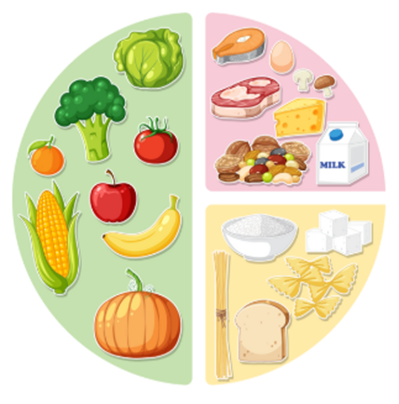
Solution: To improve it you need to focus on nutrient dense meals packed with core vitamins such as vitamin D, C, and iron. If you're having trouble finding good grocery stores, click the Food Banks button to see food banks near you!Another solution would be access to a balanced meal. This is what a balanced meal should look like:
Physical Health Problems:
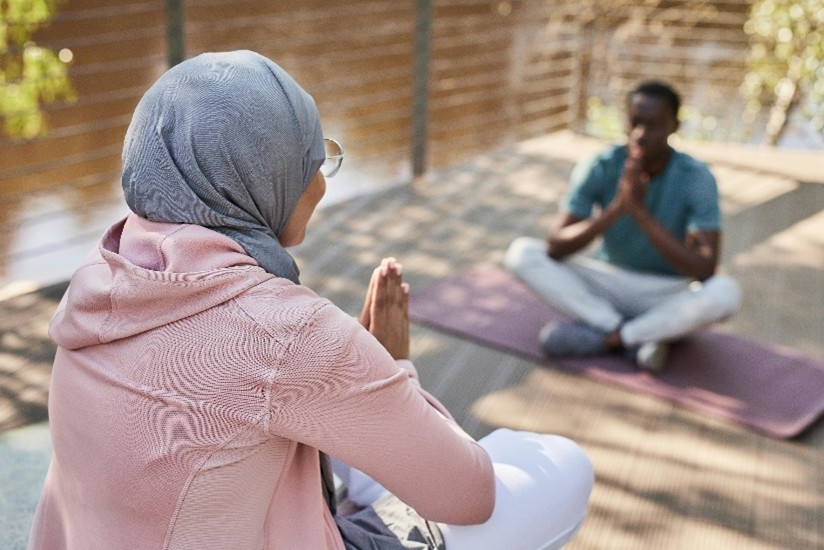
Physical Health is the condition your body is in regarding nutrition, fitness, and disease prevention.
Why Physical Health Matters:
- Improves mood and energy
- Helps the body stay strong when stressed
- Reduces the risk of illness/infections
- Supports better mental health because movement does lower stress hormones
- Helps with growth and development
Ways to Improve Physical Health:
- Going on daily walks can strengthen the heart and muscles
- Stretching, squats, or push-ups can help manage your body weight
- Having a balanced diet so eating simple, healthy, nutrient-filled meals (If you don’tknow what a healthy plate looks like go back to Malnutrition and view the image)
- Keep your home clean and let fresh air in when it’s possible
- Keep up with yearly vaccines and checkups at clinics (Go back to homepage to find low-cost clinics near you!)
- Sleeping at least eight hours every night is crucial!
Immunization
Recommended Child and Adolescent Immunization Schedule for Ages 18 Years or Younger, United States, 2026
Table 1: routine vaccines by age (birth–18 years).
File: Recommended Child and Adolescent Immunization Schedule for 18 years or younger, United States.pdf
Recommended Child and Adolescent Immunization Schedule by Medical Indication, United States, 2026
Table 3: vaccines recommended based on medical conditions and risk factors.
File: Reccomended Child and adolescent immunization schedule by medical indication.pdf
Recommended Catch-up Immunization Schedule for Children and Adolescents Who Start Late or Who Are More than 1 Month Behind, United States, 2026
Table 2: catch-up schedule for children and adolescents who start late or are more than 1 month behind.
File: Reccomended Catch-Up immunization Schedule for Children and Adolescents who start late.pdf
Vaccines and Other Immunizing Agents in the Child and Adolescent Immunization Schedule
Detailed list of vaccine abbreviations and trade names; use for more specific information.
Clinics & Resources in Clarkston
Free Clinics
Community Free Clinics and Pop-ups
Clarkston Clinic — Sunday | 11:00 AM – 2:00 PM — 4773 Memorial Dr, Decatur, GA 30032 (Located alongside the ICNA Relief Food Pantry)
Duluth Clinic — Thursday & Saturday | 10:00 AM – 2:00 PM — 3650 Savannah Pl Dr, Duluth, GA 3009 — Phone: (770-837-5805)
Al-Farooq Clinic — Open Sundays from 12–2pm — https://alfarooqmasjid.org/services/medical-clinic/
East Cobb Islamic Center — Open Saturdays from 9am–11:30 — https://www.ecicfreeclinic.org/
Good Samaritan Clinic — https://goodsamatlanta.org — Open Mon–Thu 7:45am–4:00pm; Fri–Sat 7:45am–noon
Shifa Clinic Duluth — https://shifaclinicduluth.weebly.com/ — Open Saturdays 10am–1pm (by appointment)
H.E.A.L Clinic — https://www.morehousehealthcare.com/programs/heal.html — Open Saturdays 10am–1pm
Grant Park Clinic — https://www.grantparkclinic.org/ — Open Mon–Thu 8am–3:30pm; Fri 8am–2pm
Positive Impact Health Services — free HIV testing and STI screening available at multiple centers (Decatur, Duluth, Marietta, Clayton)
Low-cost / Sliding-scale Clinics
Mosaic Health Center
Mission: Provides care for uninsured patients at low cost with multilingual staff.
Phone: (678) 383-1383
Email: info@mosaichealthcenter.com
Location: 3700 Market Street, Building B, Clarkston, GA 30021
Services: Primary care, women’s health, mental health, vision, dermatology, ultrasound, cardiology, and low-cost specialty referrals.
Website: mosaichealthcenter.com
Physicians’ Care Clinic
Mission: Offers high-quality non-emergency care for low-income and uninsured individuals.
Phone: (404) 501-7940
Location: 440 Winn Way, Decatur, GA 30033
Services: Primary care, specialist referrals, on-site pharmacy, screenings, and diagnostics.
Website: physicianscareclinic.org
Additional Notes
Some clinics are pop-up or by-appointment — check the linked pages for details and hours. Phone numbers and hours may change.
Food Banks in Atlanta:
DOWNTOWN:
Atlanta Justice Alliance, most Saturdays 12pm at Woodruff Park. IG: @atlantajusticealliance @ 10 Park Place NE, Atlanta, GA 30303
Food Not Bombs, first Fridays 7p in front of For Keeps Books; 2nd & 4th Fridays 7-9pm at the MLK Jr Dr SW @ Morehouse intersection IG: @atlfoodnotbombs
SOUTH SIDE:
ATL Liberation Distro, every Wednesday 1–4pm at Greenbriar Rec Center. IG: @southsideatl
Free99 Fridge, daily food pantry shelves at:— 2022 Oakland Drive, Atlanta 30315— 879 Dill Ave SW Atlanta 30310 (AUC student-led)— 3124 Metropolitan Pkwy, Atlanta 30311
East End Community Dinner, Tuesday 5pm at Lifelong Wellness. IG: @east_end_commons_atl
EAST SIDE:
Tabernacle of Praise Food Distribution, every 3rd Thursday 11am–2pm @ 3020 Maynard Holbrook Jr Dr NW. 4046969606
Rehoboth Food Pantry, every Tuesday 10:30am–1pm at 2997 Lawrenceville Hwy. 6787202510
Intown Cares, food pantry M–F 9:30am–12:30pm @ 1026 Ponce de Leon Ave NE, Atlanta. 4048811991
WEST SIDE:
Free99 Fridge, all of Atlanta, every Friday 11am–4pm at 3728 Wendell Dr SW. IG: @free99fridge
Goodr Grocery PopUps, follow IG for weekly popups. IG: @goodrco
Westside Food Fair, Sundays 1pm–3pm at 970 Jefferson St NW. IG: @happy_tuesday
Fountain of Hope, 10am–12pm Tues and Thurs @ 1138 Bolton Rd. 4049847990
BUCKHEAD:
Grain of Rice, free hot meals every Sunday morning near Lindbergh. DM @consult.slfa for info
OUTSIDE THE PERIMETER:
Stone Mountain, Showers, Tents, Food Pantry — Maranatha SDA Church @ 2730 Dresden Dr. 4042841409
Various food pantries, check: www.foodpantries.org/ci/ga-atlanta
OTHER NOTES:
Most items updated weekly
Phone numbers may change
Much of the work done by the organizers is electrically powered
This list was made anonymously. If neighborhood anarchists will have one for your community, email fonb.atl313@protonmail.com
If you want your neighborhood distro on this list or want to help out, DM @xvansesatlanta_
Website Feedback Survey
Help us improve this website to better serve the refugee community
Emergency Help
If you or someone needs immediate medical help:
Call 911
For life-threatening emergencies
Free call from any phone
Poison Control
1-800-222-1222
24/7 free help in many languages
Crisis Hotline
Dial 988
Mental health crisis support
When to Go to Emergency Room:
- Chest pain or pressure
- Difficulty breathing
- Severe bleeding
- Sudden weakness or numbness
- Severe burn
- Broken bone
- Overdose or poisoning
- Thoughts of harming yourself or others
Nearest Hospital to Clarkston:
Emory Decatur Hospital
2701 N Decatur Road, Decatur, GA 30033
Emergency Department: (404) 501-1000